Source lithium ion battery recycling plant for EV, Laptop, and Mobile
Find 30 listings for a lithium ion battery recycling plant with vibratory screening designed for EV cars, laptops, and mobile phones. Buyers can compare specifications, prices, and customization options from verified manufacturers in China.
Key considerations
Products List


Automated Car Battery Recycling Machine Lithium Battery Recycling Plant
$250000.00 - $700000.00
Moq: 1


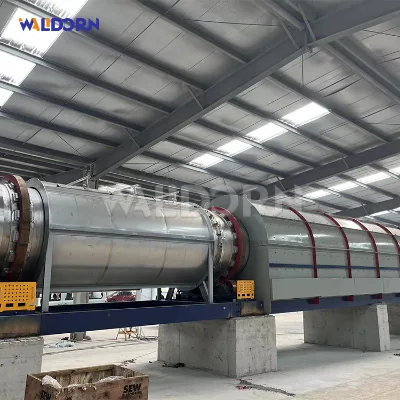
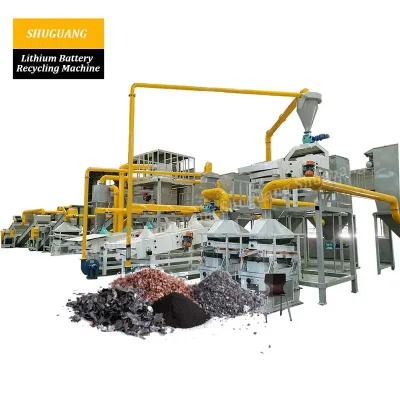


Lithium Battery Recycling Machinery Weee Recycling Lithium Battery Recycling Plant
$150000.00 - $500000.00
Moq: 1

Lithium-Lon Battery Recycling Plant Lithium Battery Recycling Machinery
$150000.00 - $500000.00
Moq: 1


Dismantling Process of Retired Battery Plant Lithium Battery Recycling Line
$150000.00 - $500000.00
Moq: 1


Comprehensive Sourcing Guide
Strategic Sourcing Guide for Lithium Ion Battery Recycling Plants with Vibratory Screening
The global transition toward electrified mobility has created an urgent demand for efficient end-of-life management systems, specifically targeting lithium-ion batteries. For procurement professionals, identifying a "lithium ion battery recycling plant with vibratory screening" requires a rigorous understanding of the mechanical, chemical, and logistical parameters that define a viable industrial solution. The core objective is to recover high-value materials such as copper, aluminum, and black mass while ensuring operational safety and regulatory compliance. This guide synthesizes available product data and industry standards to provide a structured approach for sourcing these complex systems.
Technical Architecture and Mechanical Specifications
The foundation of any effective recycling plant lies in its mechanical architecture. The equipment must be capable of handling diverse input streams, ranging from mobile phones and computers to larger electric vehicle (EV) batteries and household appliances. Based on observed market data, the core processing unit often utilizes a "Claw Knife Crusher" configuration. This specific knife type is designed to mechanically disassemble battery packs, breaking them down into manageable fragments before the material enters the separation stages.
A critical component of the separation process is the vibratory screening system. While specific vibration frequencies may vary by manufacturer, the screening stage is essential for sorting crushed materials by size. This ensures that conductive metals (copper and aluminum) are separated from the non-conductive black mass. The mechanical drive systems supporting these operations frequently employ a "Multi-Screw" or "Twin-Screw" configuration. These screw mechanisms are vital for feeding materials through the crushing and separation zones, ensuring a consistent throughput rate.
Power requirements are substantial for these industrial machines. Data indicates that high-capacity units may operate with power ratings around 160 Kw. The electrical systems must be robust, often featuring a "Customized" voltage rating to match local grid standards. The cooling systems for critical components are equally specialized; the gear box is typically cooled by water, while the hydraulic system relies on air cooling. This dual-cooling approach prevents overheating during continuous operation, which is critical for maintaining the integrity of the "Automatic" automation systems that control the entire line.
Compliance, Certification, and Safety Standards
In the realm of hazardous waste processing, compliance is not merely a regulatory formality but a prerequisite for operational legality. When sourcing a recycling plant, buyers must verify that the equipment carries recognized international certifications. The most frequently observed certifications for such machinery include CE and ISO marks. These certifications indicate that the design meets specific European and international safety and quality standards. However, buyers should not assume that every listed unit possesses these credentials without explicit verification, as certification status can vary between different production batches or suppliers.
Safety design is a paramount attribute in lithium-ion battery recycling due to the risk of thermal runaway and chemical exposure. The equipment must incorporate dedicated "Safety Design" features, which may include emergency stop mechanisms, fire suppression integration, and containment systems for hazardous dust. The raw material being processed, specifically "Lithium Ion Batteries," presents unique risks that the machinery must mitigate.
Furthermore, the origin of the equipment plays a role in compliance. Many high-volume units originate from manufacturing hubs in China, with specific production centers noted in locations such as Guangzhou and Henan. While the country of origin is a factual observation, buyers must ensure that the specific model number, such as "L1 Type" or "SM-LIBR500," aligns with the safety standards required by their local jurisdiction. The "Condition" of the equipment is typically listed as "New," but verification of the manufacturing date and warranty status is essential to ensure the machinery is not a refurbished unit sold as new.
Cost Drivers and Economic Factors
The pricing landscape for lithium-ion battery recycling plants is characterized by a wide variance, reflecting differences in capacity, automation levels, and customization. Observed price ranges for these systems can span from approximately $5,999 to $800,000. This broad spectrum suggests that the cost is heavily influenced by the scale of the operation and the specific configuration of the vibratory screening and crushing components.
Several key factors drive the final cost of the equipment. First, the "Customization" level is a primary cost driver. While standard models exist, many buyers require "Customized" standards to fit their specific facility layout or to handle unique battery chemistries. Second, the "Capacity" of the plant, which can also be customized, directly impacts the price. A plant designed for high-volume EV battery processing will naturally command a higher price point than a unit intended for small-scale mobile phone recycling.
The "Company" type also influences pricing. Direct "Factory Manufacturer" sources often provide more competitive pricing compared to trading companies, though this is not a guaranteed rule. Buyers should also consider the "Installation" services provided. Many suppliers offer "Provided" installation services, which can add to the initial capital expenditure but reduce long-term operational risks. Additionally, the "Warranty" period, typically observed as "1 Year," is a factor in the total cost of ownership. A longer warranty or extended service packages may increase the upfront cost but provide better long-term value.
Typical Applications and Material Recovery
The versatility of these recycling plants is one of their most significant advantages. The equipment is designed to process a wide array of "Recycling Product" types. This includes consumer electronics such as "Mobile Phone," "Computer," and "Television," as well as larger appliances like "Refrigerator" and "Washing Machine." However, the most critical application area is the recycling of "EV Car Battery" and "Lithium Ion Batteries" specifically.
The primary goal of the recycling process is the recovery of valuable metals. The "Final Products" from these plants typically include "Copper," "Aluminum," and "Black Mass." The "Black Mass" is particularly valuable as it contains the lithium, cobalt, and nickel required for new battery production. The "Advantage" of modern systems, such as those utilizing advanced screw and knife technologies, is often highlighted as "High Copper Recovery." This efficiency is crucial for the economic viability of the recycling operation.
The "Application" of the machinery is strictly defined as "Lithium Battery Recycle." Whether the input is a "Cylindrical Li Lithium Ion Battery" or a prismatic pack, the machine must be capable of handling the physical differences. The "Keyword" associated with these systems often includes "EV Car Battery Recycling Equipment" or "Laptop Battery Recycling Machine," indicating the specific market segment the machine targets. Buyers should ensure that the selected plant is optimized for their specific input stream, as a machine designed for small electronics may struggle with the volume and structural integrity of EV packs.
Supplier Evaluation and Quality Assurance
Evaluating a supplier for such specialized equipment requires a multi-faceted approach. Buyers should prioritize suppliers who can demonstrate a "Factory Manufacturer" status, as this often implies greater control over quality and the ability to offer "Customized" solutions. The "Brand Name" of the equipment, such as "Walldorn" or other recognized manufacturers, can serve as an indicator of quality, though buyers must verify the authenticity of the brand.
Quality control should begin with the "Core Components" of the machine. Essential parts include the "motor," "Gearbox," "PLC," "Gear," and "Bearing." The quality of these components directly affects the longevity and reliability of the plant. Buyers should request detailed specifications for these components to ensure they meet industrial-grade standards.
The "Weight" of the equipment, observed at around 8000 kg for certain models, is a critical logistical factor. It impacts shipping costs, foundation requirements, and the overall "Installation" process. The "Packing" method is also a quality indicator. Observed packing methods include "Three Container," "Film with Wood Pallet," "Standard Packaging," and "Wooden Crate Packaging." Robust packaging, such as wooden crates, is essential for protecting the machinery during international transit, especially given the complex nature of the internal components.
Long-Term Procurement and Operational Considerations
Procuring a recycling plant is a long-term investment that requires careful consideration of future operational needs. The "Automation" level of the machine is a key factor here. "Automatic" systems reduce labor costs and increase consistency, but they require a higher level of technical expertise for maintenance. Buyers should assess their internal technical capabilities before committing to highly automated systems.
The "Color" of the equipment is often listed as "as Your Requirement," indicating a degree of customization. While this may seem superficial, color coding can be part of a broader safety or branding strategy within the facility. The "Installation" process is another long-term consideration. Suppliers that offer "Provided" installation services can significantly reduce the time to market and ensure that the plant is set up correctly according to the "Standard" specifications.
Finally, buyers must consider the "Lead Time" and "MOQ" (Minimum Order Quantity). While specific lead times are not provided in the general data, the "MOQ" is observed to be "1-1," suggesting that single-unit purchases are feasible. This flexibility is beneficial for smaller operations or pilot projects. However, buyers should be aware that "Customized" orders may have longer lead times due to the need for specific engineering and manufacturing adjustments. The "Condition" of the equipment, typically "New," should be verified upon delivery to ensure that no prior usage has compromised the "Warranty" or performance.
Summary of Key Procurement Parameters
To facilitate a structured comparison during the sourcing process, the following table summarizes the critical parameters observed in the market for lithium-ion battery recycling plants.
| Parameter Category | Observed Attributes & Standards | Verification Requirement |
|---|---|---|
| Product Model | L1 Type, SM-LIBR500, CT-1 set, Lithium battery recycling plant | Confirm model matches specific capacity needs. |
| Raw Material | Lithium Ion Batteries, EV Car Battery, Mobile Phone, Computer | Ensure input compatibility with your waste stream. |
| Final Output | Copper, Aluminum, Black Mass | Verify recovery rates for target metals. |
| Certification | CE, ISO | Check for valid certificates for your region. |
| Automation | Automatic | Assess maintenance requirements for automation. |
| Cooling System | Gear Box (Water), Hydraulic (Air) | Confirm cooling infrastructure availability. |
| Packing | Three Container, Film with Wood Pallet, Wooden Crate | Inspect packaging integrity upon delivery. |
| Origin | China (Guangzhou, Henan) | Verify logistics and import regulations. |
| Power | 160 Kw (Example), Customized | Ensure facility power supply matches requirements. |
| Warranty | 1 Year | Clarify terms for extended coverage. |
By adhering to these guidelines and focusing on the verified attributes of the equipment, buyers can navigate the complex market for lithium-ion battery recycling plants with confidence. The goal is to secure a system that not only meets immediate processing needs but also aligns with long-term sustainability and economic goals.
FAQs
What certifications are required for lithium ion battery recycling plant with vibratory screening?
The equipment typically carries CE and ISO certifications to ensure safety and quality compliance. Buyers must verify that specific models like the L1 Type or SM-LIBR500 explicitly hold these marks before purchase.
How is the gear box cooled in a lithium ion battery recycling plant with vibratory screening?
The gear box is cooled by water to prevent overheating during continuous operation. This dual-cooling system works alongside air cooling for the hydraulic system to maintain stable performance.
Which final products are recovered from lithium ion battery recycling plant with vibratory screening?
The primary recovered materials include copper, aluminum, and black mass containing lithium and cobalt. These outputs are essential for repurposing into new battery components and other industrial applications.
Can the capacity be customized for a lithium ion battery recycling plant with vibratory screening?
Yes, the capacity can be customized to match specific facility needs and input volumes. Buyers should confirm the exact capacity requirements with the factory manufacturer before finalizing the order.
What is the typical price range for a lithium ion battery recycling plant with vibratory screening?
Prices generally range from approximately 5999 to 800000 USD depending on configuration and capacity. The final cost is influenced by factors like automation level, customization, and included installation services.
How is the equipment packed for shipment in a lithium ion battery recycling plant with vibratory screening?
Packing methods vary and may include three container, film with wood pallet, or wooden crate packaging. Robust packaging ensures the machinery arrives safely despite its significant weight of around 8000 kg.